How to talk to sellers about staging
By the Easy Stage team · 4 min read
Sellers often hear 'staging' as 'decorating'. The conversation goes better when you describe what it actually does: help buyers feel at home.
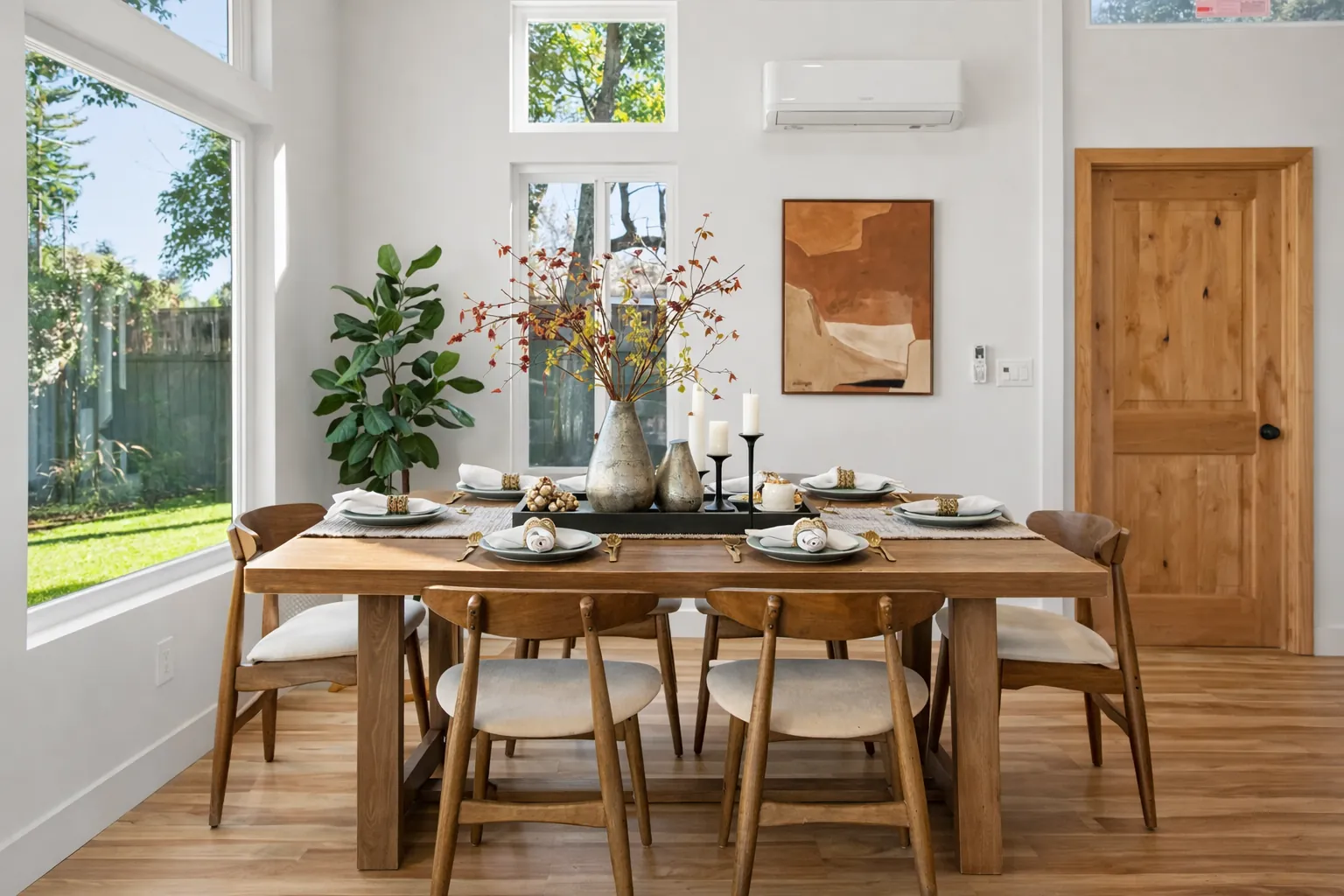
Start with how buyers decide
Buyers don't compare a home to a spec sheet. They walk in and feel something. Staging is how we make that feeling a good one. An emotional connection is what drives faster sales and higher offers.
Explain that staging isn't about the seller's taste. It's about helping a stranger picture their own life in the house.
Reframe the cost
Sellers worry about cost, and about surprises. Give them clear numbers up front. Look for a stager who prices per room instead of per square foot, and who doesn't add per-item or stair fees.
With a flat price they can plan around, staging becomes an easier yes.
Set expectations
- A walk-through (in person or by video) comes first, then a custom plan.
- Installation usually takes a day. The staging period then runs for a set time, with monthly extensions if the listing takes longer.
- Occupied homes can be staged too, by combining the seller's furniture with the stager's inventory.
- A good stager stays reachable and adjusts after installation if needed.
Handle common objections
- "My home is already nice." Staging edits what's there, so buyers see space and light rather than belongings.
- "I'll live in it, so it doesn't need staging." An occupied home can be staged around what the seller owns.
- "It's too expensive." Compare it with the cost of a longer time on market or a weaker first impression, and show them the per-room price.
Bring your stager into the room
Many agents find sellers listen more readily to a design professional than to a pitch. Easy Stage gives workshops at real estate offices throughout the Bay Area on buyer psychology and the value of staging.
Ready to plan a listing? See our per-room pricing, or get a quote.