Vacant vs. occupied home staging: what's different
By the Easy Stage team · 3 min read
Both approaches aim at the same result: a home buyers can picture themselves in. The work to get there is different.
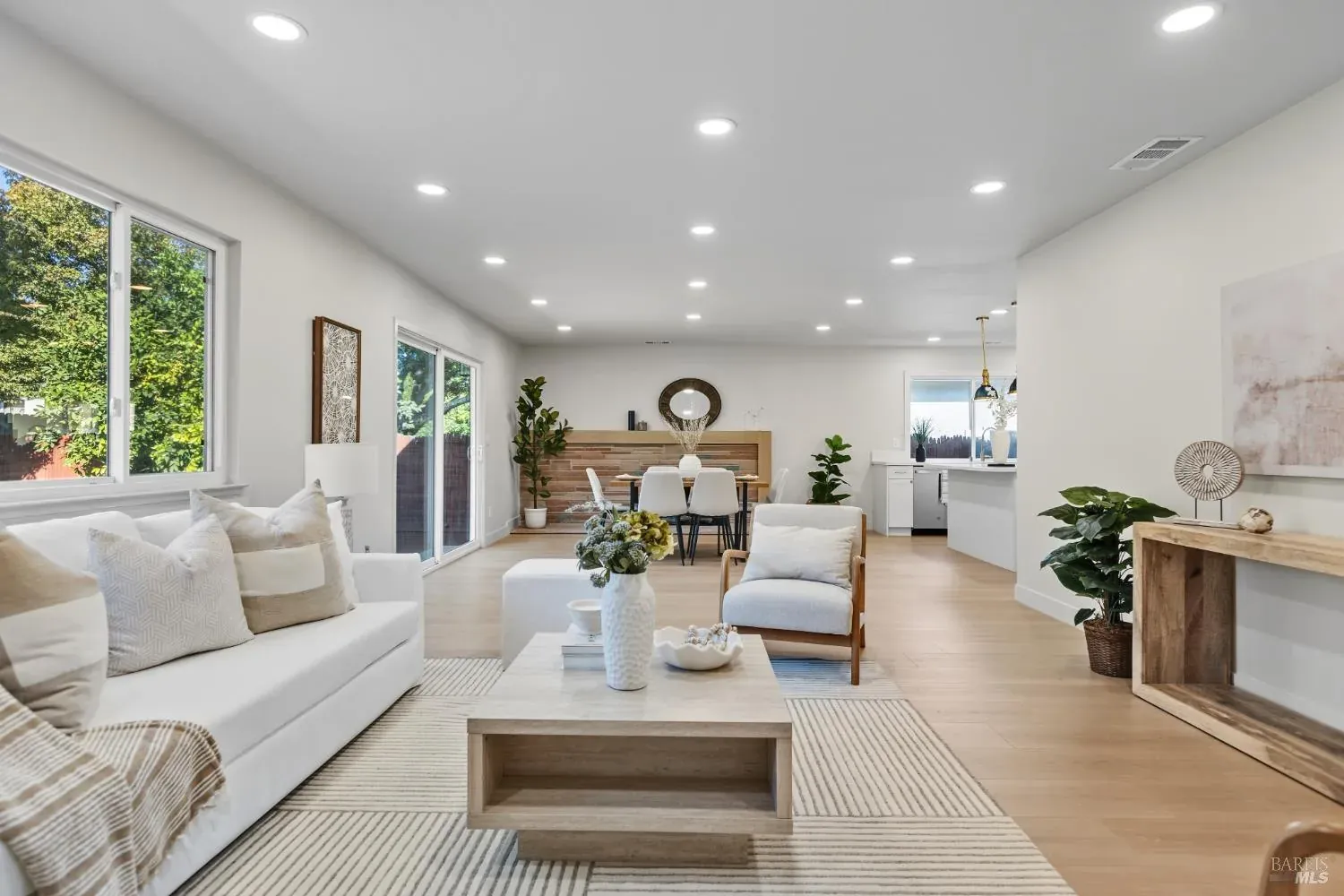
Vacant staging
Empty rooms are hard to read. Buyers can't judge scale or see where furniture goes, and they notice every flaw. Vacant staging furnishes and styles the home from the stager's own inventory so each room has a purpose and a focal point.
Because the stager supplies everything, the plan is built from scratch around the property's style, architecture and likely buyer. Installation typically takes about a day.
Occupied staging
Here the seller's furniture stays where it works. The stager edits, rearranges and replaces, adding rugs, art, lighting, accent pieces and styling to complete the look.
Decluttering is a bigger part of this. Many occupied homes need only a consultation, with the owner doing the work, and others benefit from staging a few key rooms.
Which should you choose?
- Vacant home: full staging is usually the right call.
- Occupied home with good furniture: occupied staging, to keep what works and add what's missing.
- Occupied home with a motivated seller: a staging consultation for guidance on decluttering and arranging furniture.
- Unsure: a walk-through (in person or by video) gives a clear answer in minutes.
How pricing works
At Easy Stage the price is per room, not per square foot, whether the home is vacant or occupied. The essential five rooms are $2,500 for 2.5 months. See our full breakdown in the Bay Area home staging cost guide.
Ready to plan a listing? See our per-room pricing, or get a quote.